
What Really Happens at Your First Hygiene Visit? Common Questions Answered!
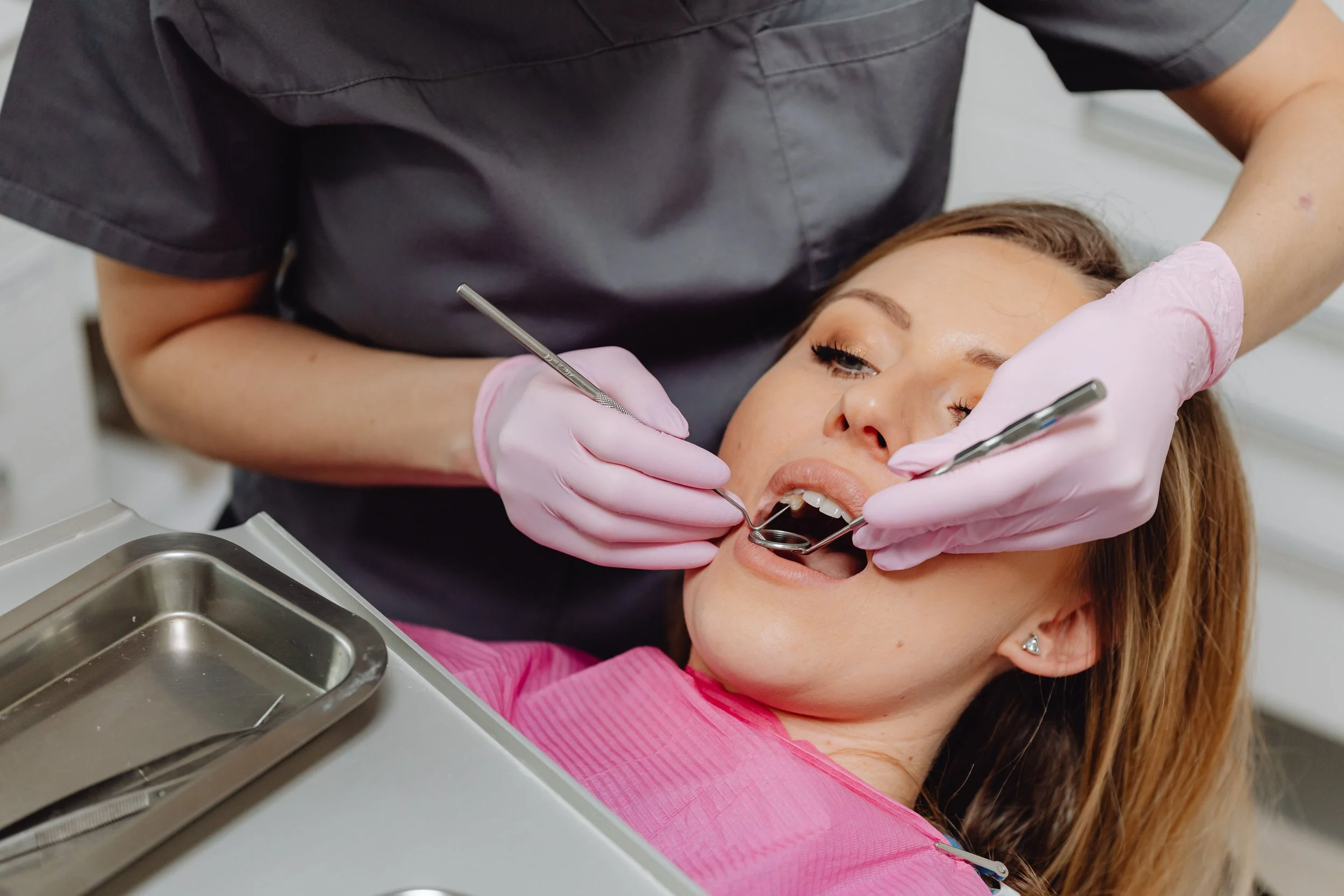
Dental hygiene visits are often seen as “just a cleaning,” but in reality, dental hygiene is a form of prevention. Preventative care is designed to catch and stop issues before they develop into more serious problems and help avoid serious dental issues in the future. Lots of great questions are asked during hygiene appointments, like why we recommend polish or fluoride, or what exactly we’re looking for during the visit. It is important for everyone to know what actually happens at hygiene appointments whether it’s your first visit with us or you’re a returning smile and why each part of the process matters.
First and foremost, your hygiene visit is all about prevention. For many people, coming in every six months helps us stay ahead of any potential problems, though the frequency can vary depending on individual needs. These visits allow us to remove plaque and tartar that can’t be reached with regular brushing and flossing at home, which helps prevent cavities and gum disease. More importantly, they allow us to catch early signs of oral health issues, like gingivitis or the early stages of periodontitis. When gum disease is caught early, we can treat it before it leads to permanent damage to the bone and tissues that support your teeth.
Another key part of the visit is reviewing medical histories. You might wonder why we ask about medications, medical conditions, or recent changes to your health. The reason is that many health issues, such as diabetes, autoimmune conditions, or even common medications can directly affect your oral health. By understanding the full health history, we can better tailor care and monitor for specific concerns or if your oral health may be affecting the rest of your body…remember, the mouth is the gateway to your body!
During hygiene appointments, it is not as simple as just cleaning your teeth, we’re doing a full assessment of your mouth. We check your gums for signs of inflammation, bleeding, or recession. We look at the overall health of your bone levels, monitor existing dental work like crowns or fillings, and screen for signs of oral cancer or other abnormalities in the tissues. Everything is documented to create a clear image of your current oral health and what needs to be monitored moving forward.
We are also often asked about why we polish teeth or apply fluoride treatments. As for polishing, it helps remove surface stains from things like coffee, tea, or wine, and it smooths the tooth surfaces making it more difficult for plaque and tartar to build up. Fluoride treatments, on the other hand, help to reduce sensitivity and protect against cavities. Even adults benefit from fluoride, especially if you have dry mouth, early signs of decay, or are prone to sensitivity.
When it comes to x-rays, we typically take a full mouth series of x-rays every two years, unless we see a reason to take them sooner. These x-rays allow us to see between the teeth and below the gum line — areas we can’t see by simply looking in the mouth. This helps us detect cavities, bone loss, infections, and other concerns that might not be obvious in a clinical exam alone.
In short, hygiene visits are a comprehensive check-in for your oral and overall health. It’s an opportunity to prevent issues, catch concerns early, and keep you feeling confident about your smile. If you ever have questions during your appointment, don’t hesitate to ask. We’re always happy to explain what we’re doing and why.